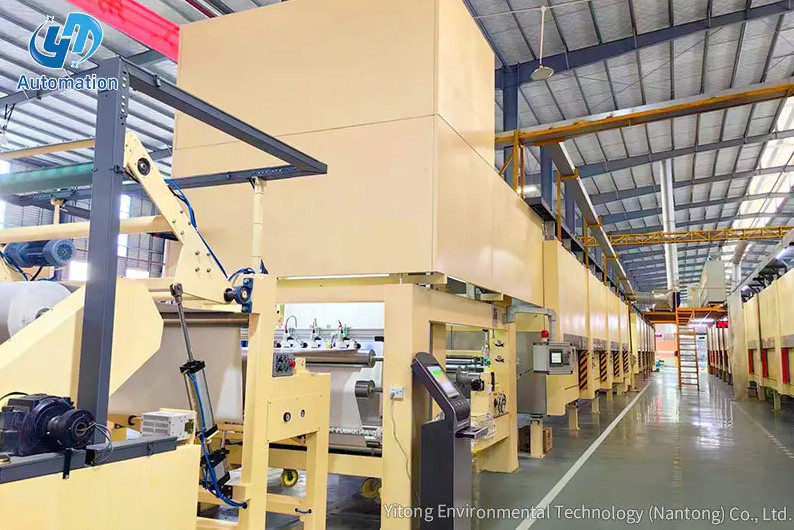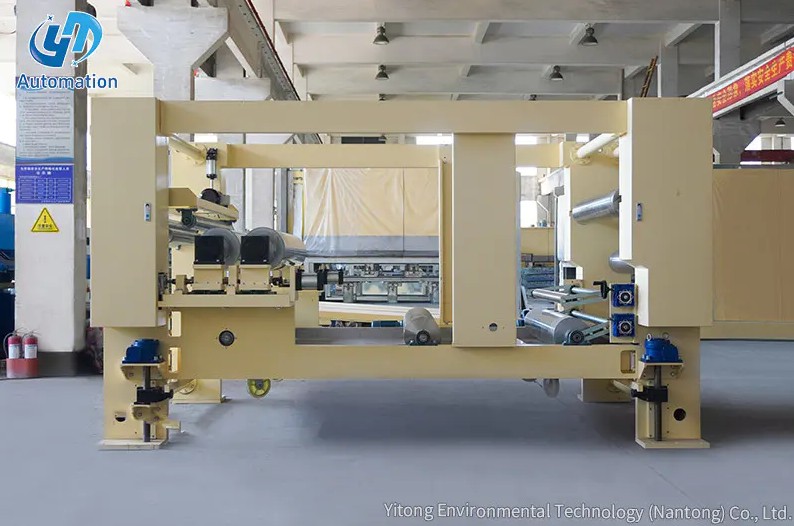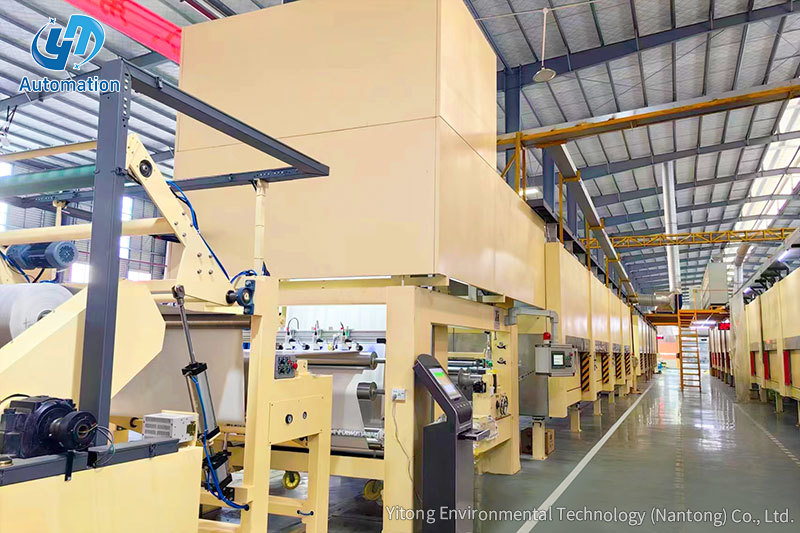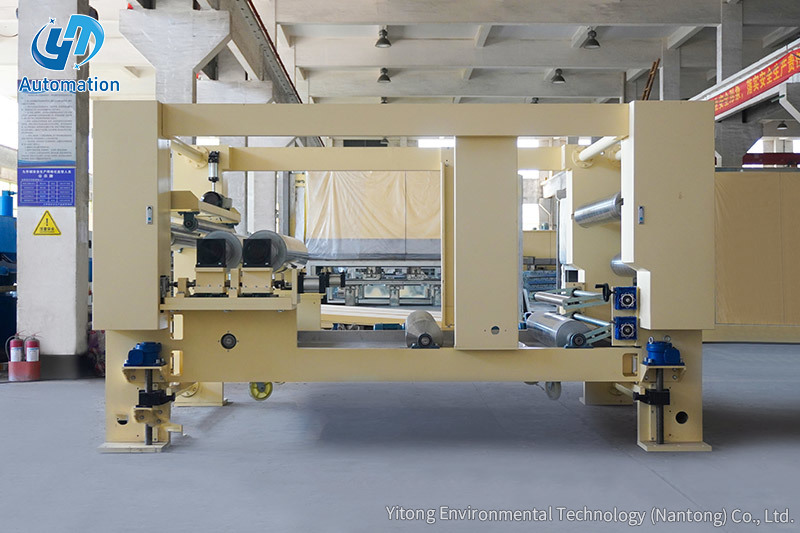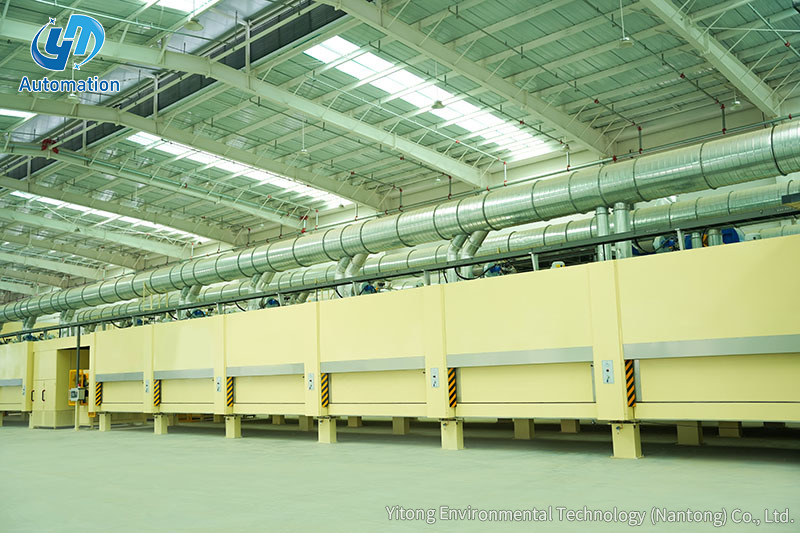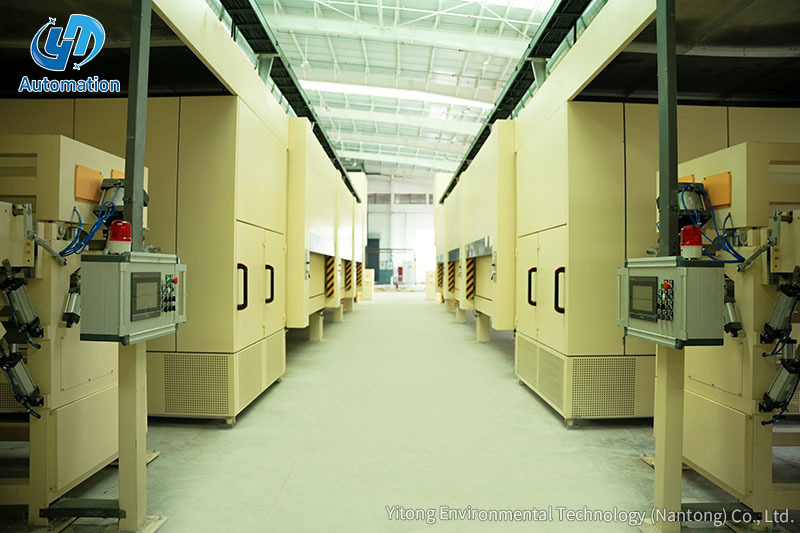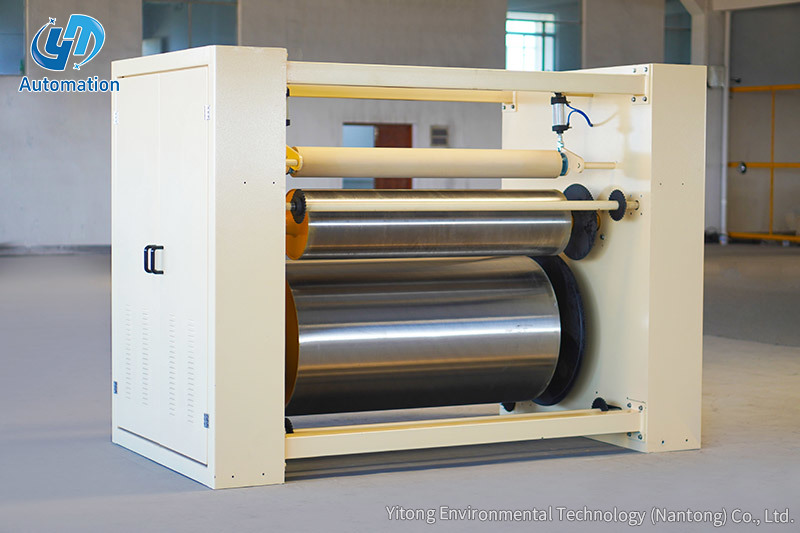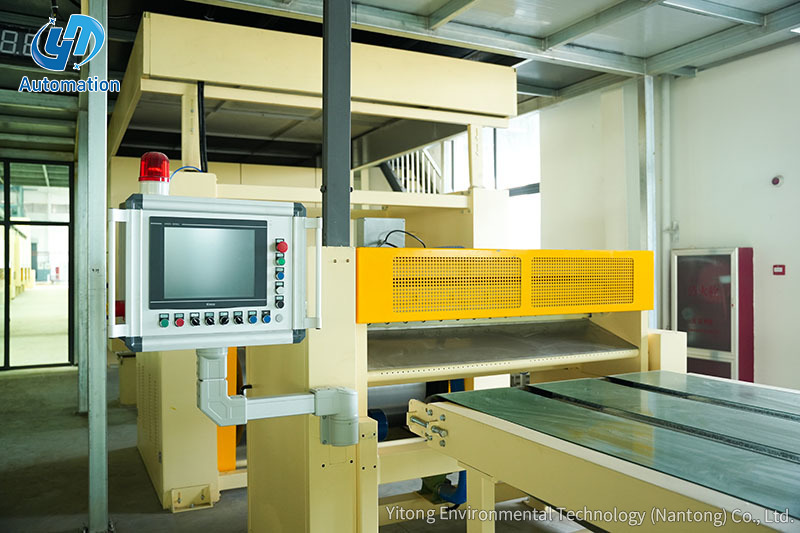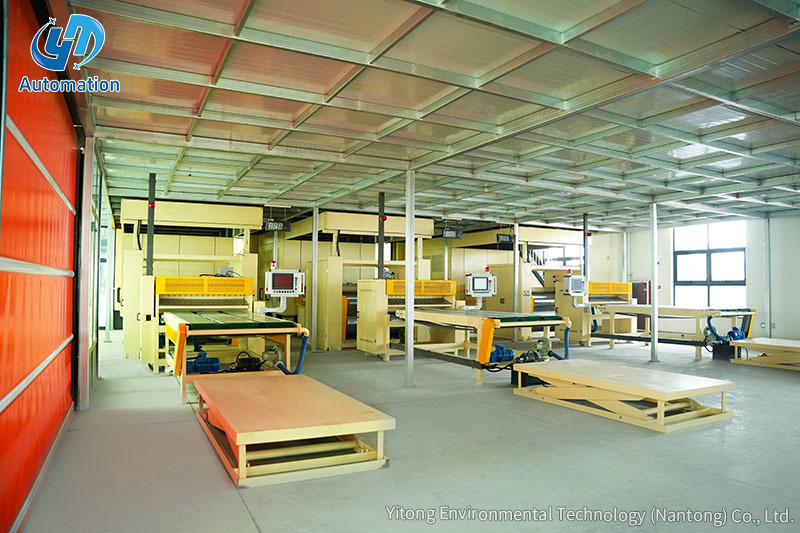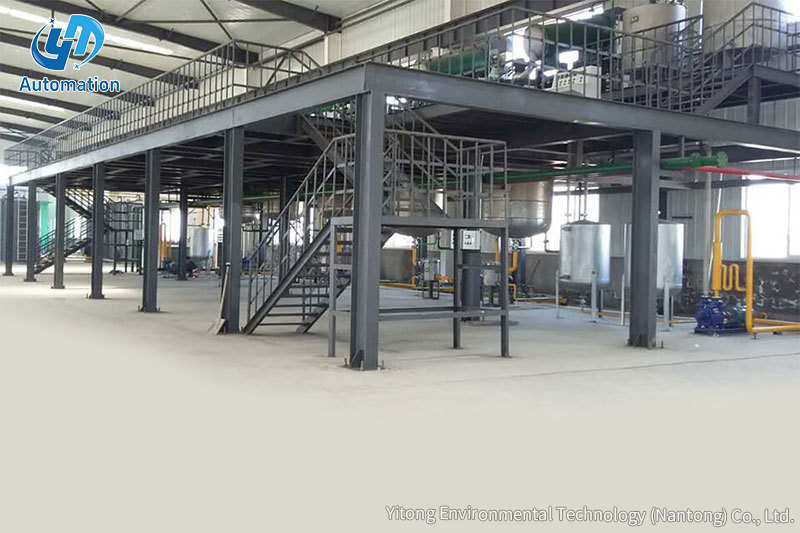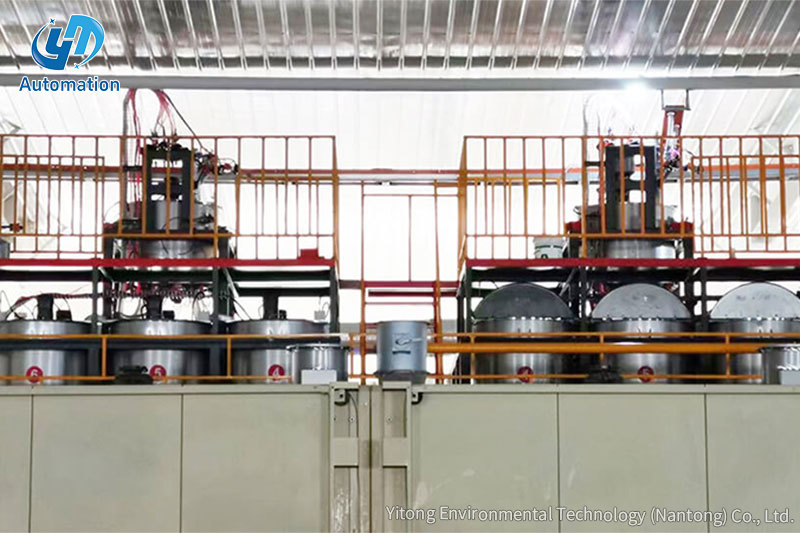
A direita Linha de Impregnação é aquele que corresponde à largura do papel, ao volume de saída pretendido, ao sistema de resina e ao mix de produtos, e não simplesmente ao modelo com a maior velocidade anunciada. Na prática, isso significa confirmar cinco fatores antes da compra: tipo e largura do papel, produção diária necessária em metros quadrados, compatibilidade de resina, flexibilidade de zoneamento do forno e nível de automação para controle de qualidade. Os compradores que avaliam esses cinco fatores juntos normalmente evitam os dois pontos de arrependimento mais comuns relatados pelos fabricantes de painéis, que são a capacidade subdimensionada do forno e a baixa compatibilidade do sistema de resina.
Cada linha de impregnação é projetada em torno de uma faixa específica de gramaturas de papel e viscosidades de resina. Selecionar uma linha sem primeiro definir esses dados é o erro mais frequente que os compradores cometem.
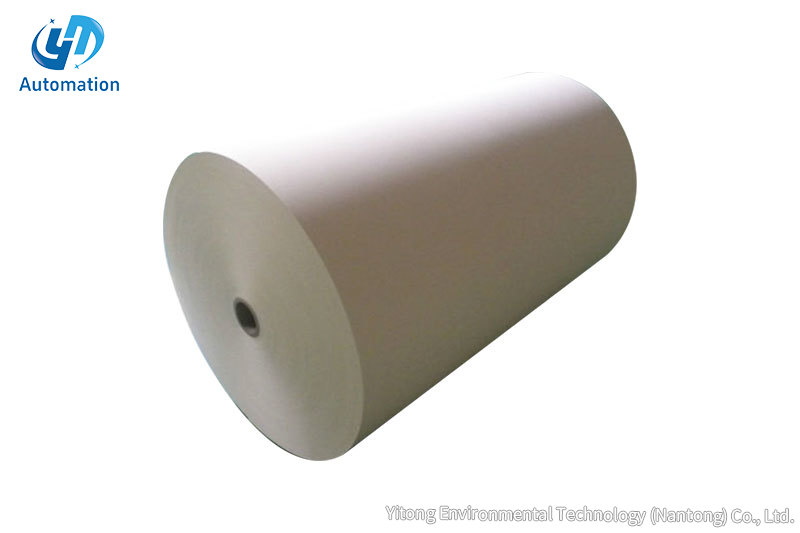
O papel decorativo normalmente varia de 60 a 130 gramas por metro quadrado, enquanto o papel kraft usado em laminado de alta pressão pode atingir 200 a 300 gramas por metro quadrado. Uma linha calibrada para papel de sobreposição leve pode ter dificuldades para conseguir uma penetração uniforme da resina em material kraft mais pesado, resultando em pontos secos ou gramatura irregular.
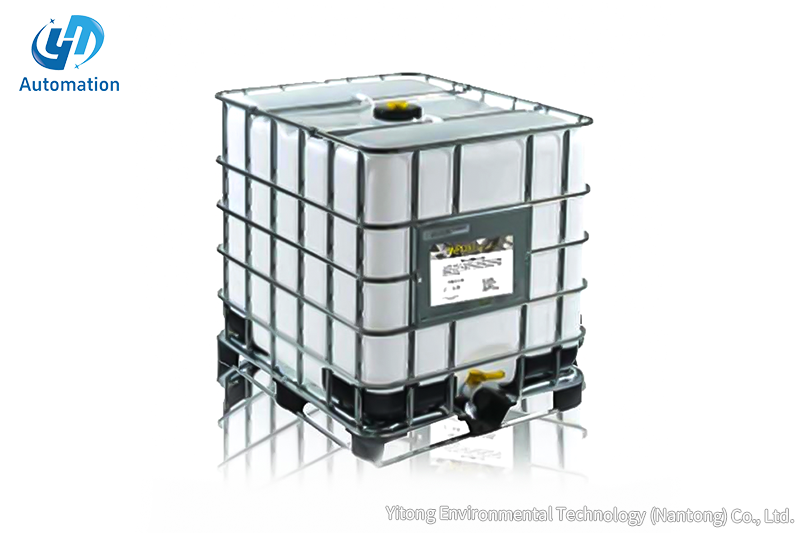
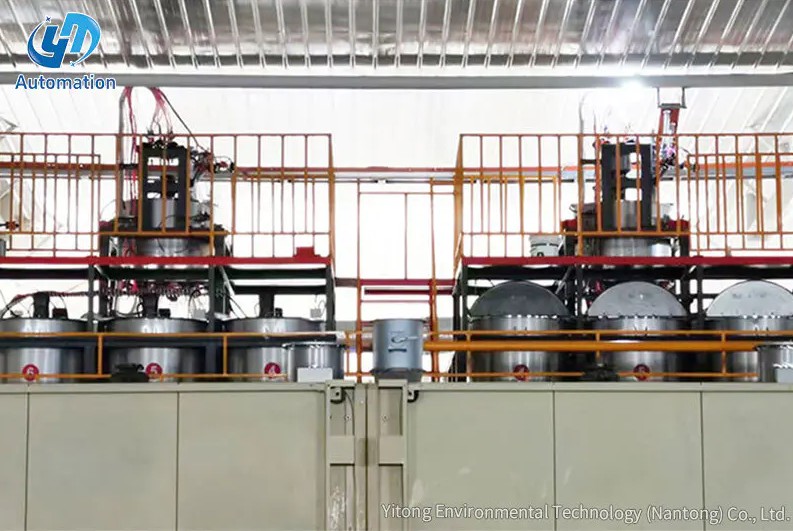
As resinas de melamina formaldeído, fenol formaldeído e ureia formaldeído têm viscosidade e comportamento de cura diferentes. De acordo com artigos técnicos publicados pela Federação Europeia de Painéis, a resina melamínica utilizada em superfícies decorativas é geralmente aplicada com uma viscosidade de 15 a 30 centavos , enquanto a resina fenólica para laminado estrutural costuma ser mais alta. Um tanque de imersão e um sistema de rolos de medição ajustados para um tipo de resina podem não funcionar bem com outro, portanto, confirmar antecipadamente a flexibilidade de múltiplas resinas economiza retrofits dispendiosos posteriormente.
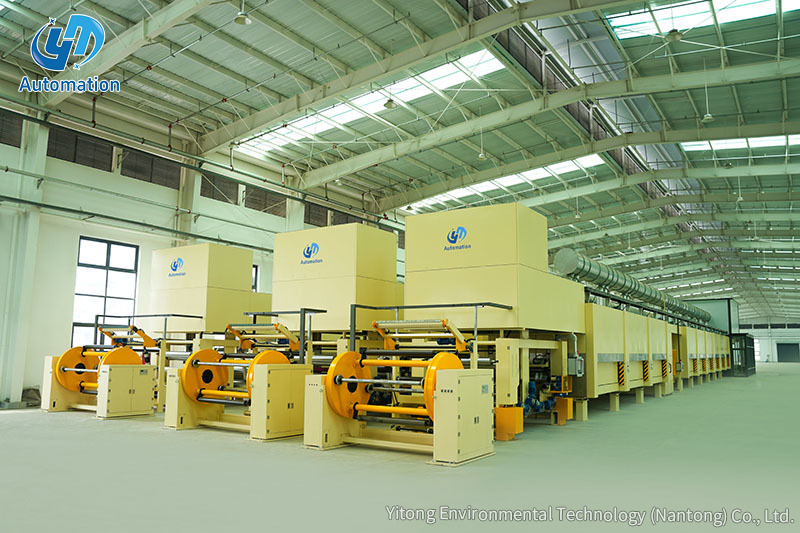
A velocidade da linha determina a produção diária, mas operar uma linha mais rápido do que a capacidade de secagem permite produzirá papel insuficientemente curado. Os compradores devem dimensionar a linha de acordo com o volume real do pedido, em vez da velocidade máxima teórica.
| Meta de produção diária | Velocidade de linha recomendada | Comprimento típico do forno |
| Menos de 30.000 metros quadrados | 15 a 25 metros por minuto | 20 a 30 metros |
| 30.000 a 80.000 metros quadrados | 25 a 45 metros por minuto | 30 a 45 metros |
| Mais de 80.000 metros quadrados | 45 a 70 metros por minuto | 45 a 60 metros |
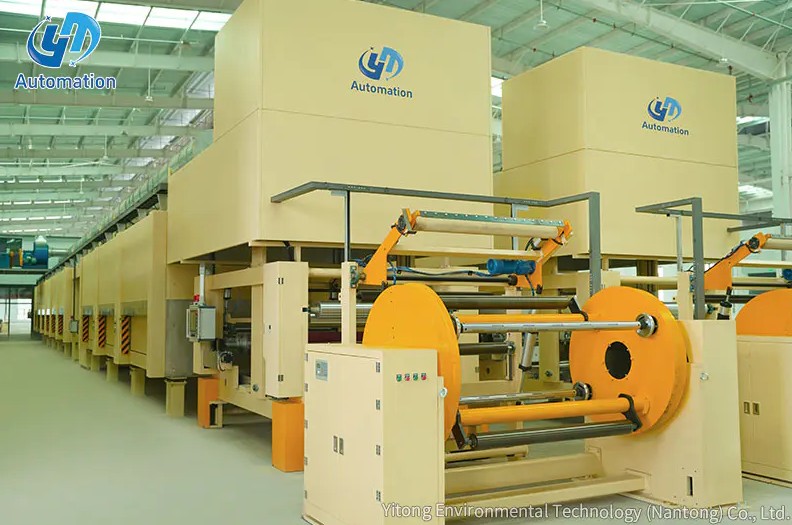
Nosso Linha de Impregnação está disponível em toda essa faixa de velocidade e pode ser configurado com zoneamento de forno estendido para instalações que planejam aumentar a produção nos próximos anos, o que evita a substituição completa do equipamento conforme a demanda aumenta.
A estufa de secagem é a seção maior responsável pela qualidade final do papel, por isso seu desenho de zoneamento merece muita atenção durante a seleção. Um forno de zona única aplica uma temperatura fixa ao longo de todo o comprimento de secagem, enquanto um forno multizona permite uma curva de temperatura gradual de cerca de 100 graus Celsius na entrada até 160 graus Celsius perto da saída.
Linhas sem controle de zona independente tendem a apresentar mais variações de lote para lote, o que se torna caro na produção de papel decorativo para superfícies de móveis visíveis, onde a consistência de cor e brilho é importante.
As linhas de impregnação manual dependem muito da experiência do operador para manter o peso e a tensão da coleta de resina. As linhas automatizadas usam controle lógico programável e sensores para manter esses parâmetros dentro de uma tolerância mais restrita, o que reduz as taxas de refugo ao longo do tempo.
| Recurso | Benefício |
| Controle automático de tensão | Reduz o enrugamento e a quebra do papel durante tiragens em alta velocidade |
| Controle programável de captação de resina | Mantém o peso do coletor dentro de mais ou menos 2% da meta |
| Registro de temperatura multizona | Fornece dados rastreáveis para auditorias de qualidade |
| Emenda automática no desenrolamento | Minimiza o tempo de inatividade entre rolos de papel |
Nosso Linha de Impregnação inclui painéis de controle programáveis para coleta de resina e temperatura de zona, fornecendo aos operadores dados de saída consistentes que atendem aos requisitos de certificação de qualidade para clientes de pisos e painéis para móveis.
Uma linha com preço mais baixo pode acabar custando mais durante sua vida útil se o consumo de energia, o desperdício de resina e a frequência de manutenção forem maiores. Os compradores devem solicitar valores de consumo de energia por metro quadrado de papel impregnado e comparar os intervalos de manutenção esperados antes de finalizar a decisão de compra.
Antes de assinar um contrato de compra, é útil analisar uma pequena lista de verificação com o fornecedor do equipamento para confirmar se a linha realmente se adapta ao seu plano de produção.
Trabalhar com essas questões com um fornecedor antes de solicitar um Linha de Impregnação ajuda a confirmar se o equipamento atende às especificações do papel e às metas de produção de longo prazo, em vez de descobrir incompatibilidades após a instalação.
Contate-nos
Produtos recomendados
Vamos entrar
Tocar
Yitong Environmental Technology (Nantong) Co., Ltd é um fabricante especializado em equipamentos de impregnação.
Conversamos


Contate-nos
Phone: +86-19555016088
Email: [email protected]
Add:Sul da Estrada Haiyan, Oeste da Estrada Nanhai, Zona de Demonstração de Desenvolvimento Conjunto Rio Yangtze da Baía de Tongzhou, Jiangsu, China